When Are Boat Accidents Most Common in Florida? Timing, Trends & Legal Help
Skip-To Links:
- Overview: Timing and Frequency of Boat Accidents
- Peak Months for Boat Accidents in Florida
- Deadliest Months by Percentage of Fatalities
- Busiest Days for Boat Accidents
- Dangerous Times of Day for Accidents
- Why Are Certain Times and Days More Dangerous?
- Prevention Tips for High-Risk Boating Periods
- Legal Help: The Injury Firm’s Boat Accident Lawyers
- FAQ – Timing of Boat Accidents in Florida
Overview: Timing and Frequency of Boat Accidents
Boat accidents are unfortunately common across Florida’s busy waterways and throughout the U.S. Understanding when these incidents are most likely to occur is a critical step in staying safe on the water. Timing data not only highlights the moments of greatest risk, but also exposes when fatal accidents are most likely—information that could save your life or help you avoid injury.
Whether you are a regular boater or an occasional passenger, recognizing patterns in boat accident statistics helps you take extra precautions at the right times. And if you or a loved one is injured, knowing how and when accidents tend to happen can also aid in legal claims and establishing liability.
Peak Months for Boat Accidents in Florida
Historically, the summer months see the highest number of boat accidents, echoing national trends. According to the US Coast Guard, July is the busiest month for boat crashes and related injuries. In a major study year, nearly 1,000 boating accidents were reported in July nationwide, with over 10% resulting in fatalities.
- May to August: Mark the active boating season, correlating with school breaks, holidays, and warm weather.
- April: Sees a sharp rise as boaters return to the water.
- November to February: Accident numbers drop but the fatality rate (proportion of deaths) remains alarmingly high.
Why does accident frequency peak in July? More boats are on the water, there are numerous holidays and events, and weather conditions are generally good—encouraging longer days and increased alcohol consumption.
Deadliest Months by Percentage of Fatalities
Not all months are equally dangerous. While summer sees the most accidents and more overall fatalities, the deadliest rate of fatalities occurs in late fall and early winter (notably November and April). For example, April may only see 25% of July’s accident volume, but 20% of boat crashes in April are fatal. In November, over 100 reported incidents still produced a 20% fatal injury rate.
- April & November: Lower boat traffic but high fatality percentage.
- July: More accidents overall, but lower fatality rate per incident due to quick rescue and more local boating.
These trends are often linked to changing weather, reduced visibility, rapid temperature drops, and fewer rescue boats on patrol during less busy times.
Busiest Days for Boat Accidents
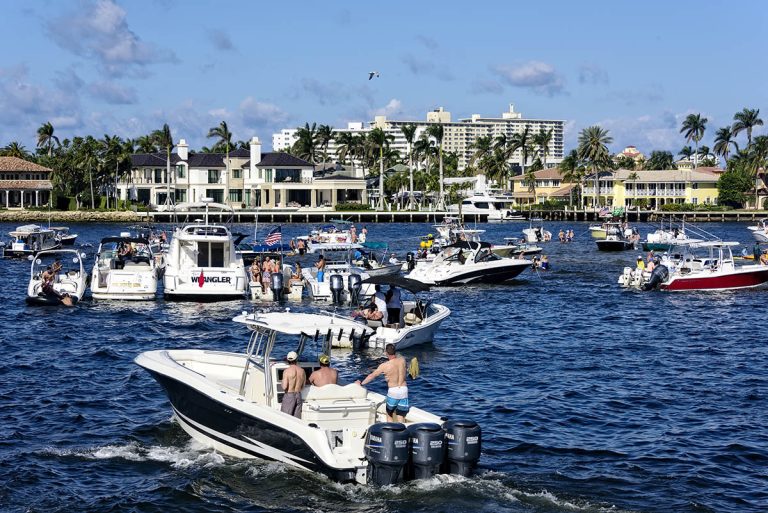
What days are most dangerous? Unsurprisingly, weekends have the highest incidence of boat accidents in Florida and nationwide. When people are off work, they flock to the water—leading to crowded conditions, greater alcohol use, and more inexperienced operators.
- Saturday and Sunday: Account for the majority of weekly boating incidents, with notable spikes on holiday weekends (Memorial Day, July 4th, Labor Day).
- Friday evenings: Increasingly busy as weekenders launch early.
If you want to minimize your risk, consider weekday boating, especially in the morning.
Dangerous Times of Day for Accidents
Timing isn’t only about months or days—the time of day matters, too. Based on recent US Coast Guard and FWC data:
- Late Night/Early Morning (12:00 am – 2:30 am): Smallest window, but one of the deadliest for catastrophic injuries and fatalities. Reasons include:
- Low visibility (darkness)
- Poor conditions
- Tired or inattentive operators
- Higher rates of alcohol/drug impairment
- Late Afternoon (3 pm – 7 pm): Spikes in collisions and injuries as boaters rush back to dock or operate after a long day in the sun.
- Sunset & Dusk: Visibility drops, fatigue sets in, and after-sunset parties can increase reckless behaviors.
Incident reporting is inconsistent for 1/3 of accidents, but the risk at these hours is reflected in the percentage of serious injuries or deaths.
Why Are Certain Times and Days More Dangerous?
Several factors converge to make certain times and days riskier for boaters in Florida:
- Higher numbers of inexperienced or casual boaters on weekends and holidays
- Increased alcohol and drug use during social boating events
- Fatigue and inattentive operation after long days in the sun
- Poor lighting and visibility at night or dusk/dawn
- Weather changes and reduced rescue resources in off-peak seasons
- Group pressure or celebratory “risk-taking” (e.g., speeding, stunts, ignoring safety rules)
Vigilance, sobriety, and awareness of timing patterns are key for safe boating.
Prevention Tips for High-Risk Boating Periods
- Boat when the water is less crowded—avoid major holidays and late weekends if possible.
- Designate a sober operator for every trip.
- Plan to return to dock well before sunset or nightfall.
- Take extra care in early spring and late fall: wear life jackets (cold water increases drowning risk) and check the weather hourly.
- Reduce speed in low visibility and avoid boating during severe weather warnings.
- Increase lookout vigilance in the late afternoon and nighttime hours.
- Ensure all lighting, signaling, and navigation equipment is in proper working order.
- Take certified boater safety education—accident rates are lower for trained operators.
Personal responsibility and timing awareness are simple but effective ways to avoid tragedy on Florida’s waters.
Legal Help: The Injury Firm’s Boat Accident Lawyers
If you are injured in a boat crash or lose a loved one in a fatal Florida boating accident, The Injury Firm provides dedicated legal support. Their experienced boat accident injury lawyers:
- Investigate accident timing and conditions to prove negligence, intoxication, or lack of safety measures
- Collect necessary evidence, including event logs, weather and lighting records, and witness statements
- Handle insurance claims and navigate complex legal procedures
- Work on contingency—no fees unless you win compensation
- Provide bilingual service and serve clients statewide
For a free consultation, call 954-951-0000 or use the chat box. Don’t wait—timing can affect both your safety and your right to recover damages.
FAQ – Timing of Boat Accidents in Florida
What is the most dangerous month for boat accidents?
July is the most accident-prone month, correlating with summer recreation and holiday gatherings.
What period has the highest fatality rate?
Late fall and early winter (e.g., April and November) have fewer accidents but a higher fatality percentage, likely due to cold water, low traffic, and fewer patrols.
Are weekends more dangerous for boating accidents?
Yes, weekends—especially Saturdays and Sundays—see the highest accident numbers due to increased recreational boating and crowded waterways.
Why are late-night boating accidents so deadly?
Low visibility, operator fatigue, and increased intoxication contribute to disproportionately severe outcomes between midnight and 2:30 am.
Do The Injury Firm’s lawyers handle timing-related cases?
Absolutely. Timely investigation and understanding accident patterns helps The Injury Firm’s lawyers succeed in personal injury and wrongful death cases statewide.