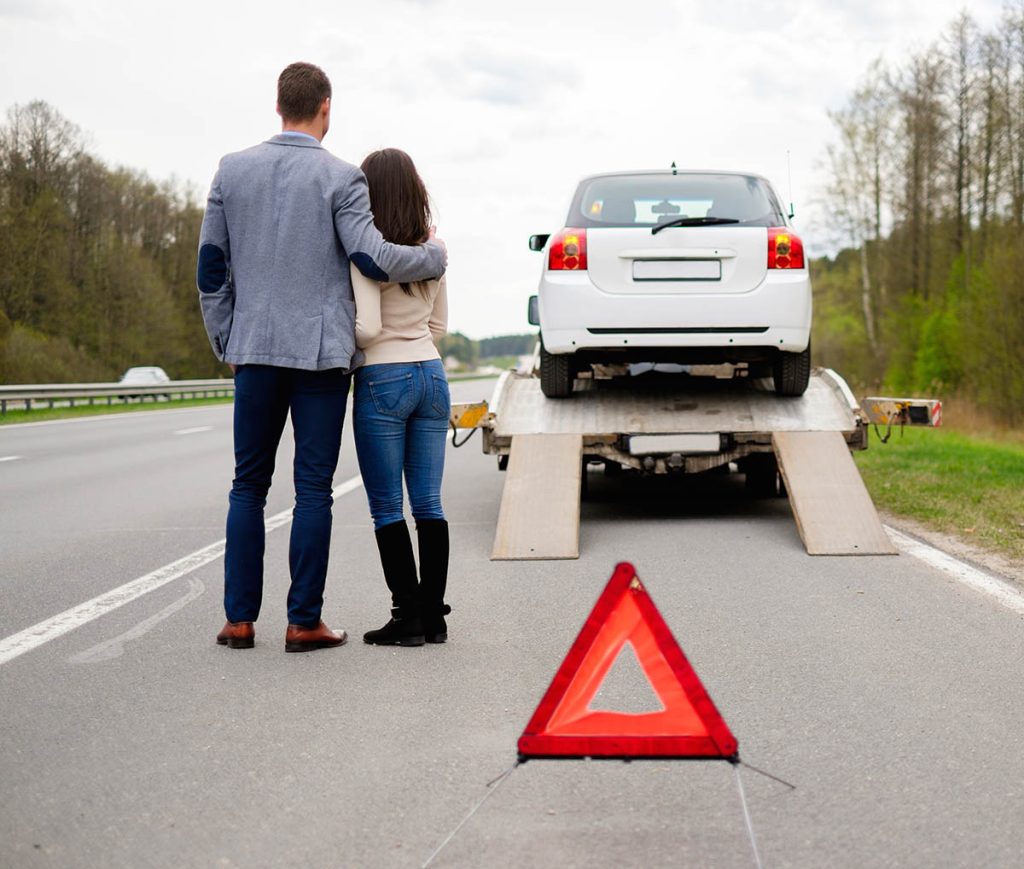
Be aware of stopped vehicles on Fort Lauderdale’s roads
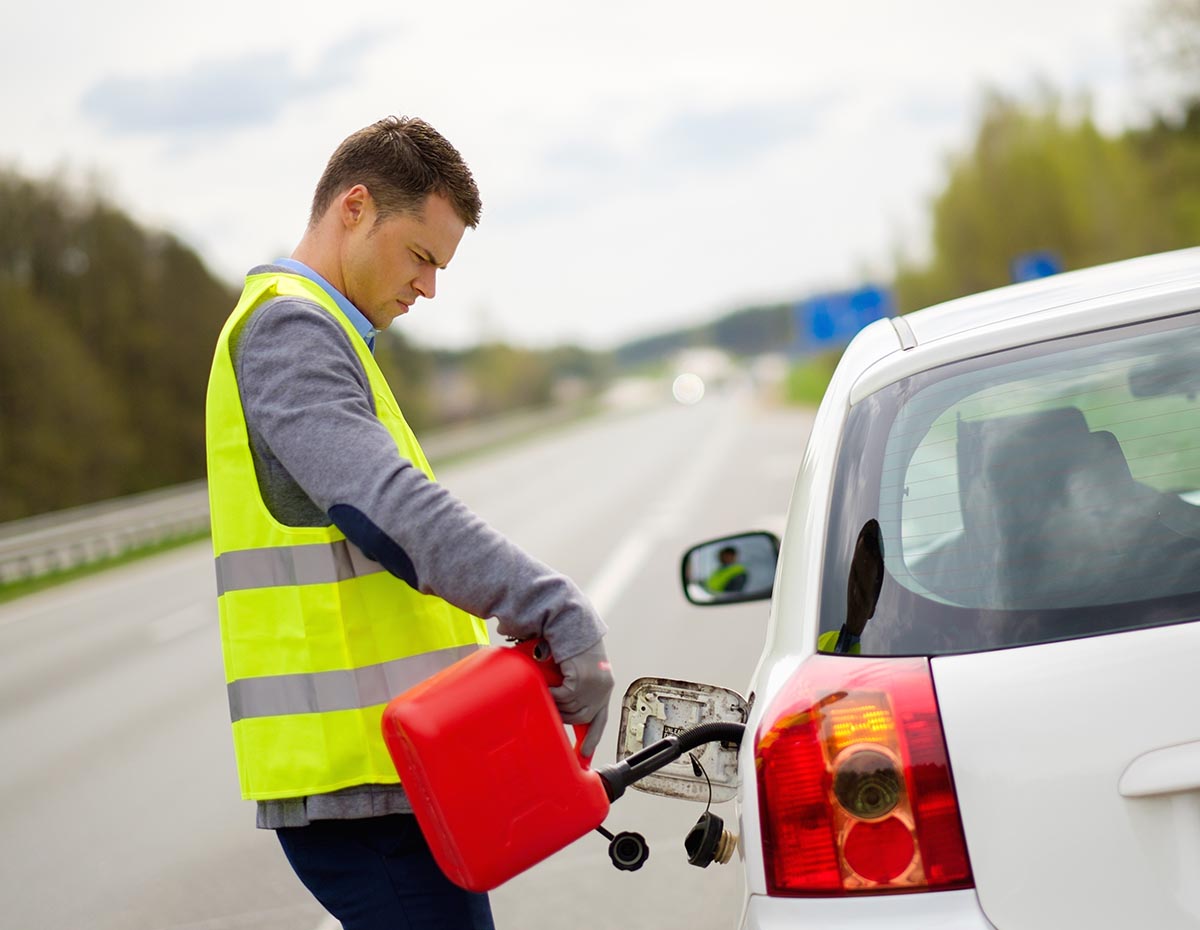 To ring in 2017 and caution safety in the new year, the Florida Department of Highway Safety and Motor Vehicles posted a very important warning to drivers (https://www.flhsmv.gov/2017/01/03/law-move-florida/) on the importance of moving over in the event of stopped vehicles from car crashes or other emergencies on the road. Moving over from the lane closest to the emergency protects law enforcement, first responders, and service vehicles and prevents further car crashes and personal injury.
The (DHSMV) has posted a reminder to motorists to Move Over for stopped law enforcement, first responders, service, and utility vehicles, and Road Rangers during its second annual Move Over, Florida! campaign.
According to the website, in 2016, there were more than 200 crashes that occurred and 5,518 citations issued for failure to move over in Florida for stopped vehicles. “DHSMV and its Division of the Florida Highway Patrol (FHP) are partnering with the Florida Sheriffs Association, Florida Police Chiefs Association and AAA – The Auto Club Group to ensure all law enforcement, first responders, service and utility workers and Road Rangers Arrive Alive,” according to the site.
“The simple act of moving over for stopped vehicles not only gives law enforcement, first responders, service and utility vehicles and Road Rangers space to do their job in an intensely dangerous setting, it also helps to ensure they are able to return home to their loved ones following their shift each day,” said DHSMV Executive Director Terry L. Rhodes.
“Moving Over” is something that could present a challenge to those motorists who speed, tailgate, cross lanes at high speeds and generally make driving an anxiety-inducing event, especially on the congested highways surrounding Fort Lauderdale. Being able to react when the unexpected happens is something that prevents car accidents on the roads. The more erratic you drive, the tougher it is to respond to a sudden stop of traffic.
Personal injury from motor vehicle accidents can be the most devastating of injuries because of the high speeds and force of impact involved – sometimes the injuries never heal and you could spend many years recovering from medical bills and loss of income, not to mention a loss of lifestyle. A personal injury litigation attorney can advise and direct you when the unexpected occurs – but the best way to prevent personal injury on the roads is to drive smart.
When it comes to safe driving – using turn signals, obeying the speed limit, staying focused, and being respectful of other drivers – drivers also must respond to incidents involving stopped vehicles, either from a car accident or other emergency, which is why Florida added The Move Over Law to section 316.126, Florida Statutes, in 2002. The statute requires motorists to move or yield the right-of-way to emergency vehicles, utility and sanitation vehicles.
The law states the drivers “must move over as soon as it is safe to do so for any authorized law enforcement, emergency or service vehicles displaying any visible signals while stopped on the roadside, including Road Rangers, sanitation vehicles and tow trucks.”
When it is impossible for motorists to move from the lane closest to the emergency or service vehicle, they are required to slow to a speed that is 20 miles per hour less than the posted speed limit. Failing to do this puts people in danger, the very people who are charged with serving and protecting citizens.
According to the website, drivers must:
Multi-Lane Roadway:
- Vacate the lane closest to the stationary emergency vehicle, sanitation vehicle, utility service vehicle, Road Ranger or wrecker and always signal the intention to change lanes.
- Slow down to a speed of 20 mph below the posted speed limit if a driver cannot move over safely.
- Be prepared to allow those who are attempting to move over into the next lane.
Two-Lane Roadway:
- Slow down to a speed of 20 mph below the posted speed limit.
- Travel at 5 mph if the speed limit is 20 mph or less.
 In addition, according to the law: “Upon the immediate approach of an authorized emergency vehicle, while en route to meet an existing emergency, the driver of every other vehicle shall, when such emergency vehicle is giving audible signals by siren, exhaust whistle, or another adequate device, or visible signals by the use of displayed blue or red lights, yield the right-of-way to the emergency vehicle and shall immediately proceed to a position parallel to, and as close as reasonable to the closest edge of the curb of the roadway, clear of any intersection and shall stop and remain in position until the authorized emergency vehicle has passed unless otherwise directed by a law enforcement officer.”
That means that when you see red flashing emergency lights behind you or next to you, you must let the vehicle pass – move over when it is reasonable to or stop your vehicle and let the emergency vehicle weave through the traffic – the vehicle en route to an emergency always has the right-of-way.
The public is encouraged to report aggressive drivers by dialing *FHP (*347). For more information on the Move Over Law, visit https://www.flhsmv.gov/safety-center/driving-safety/move-over/.
Expert counsel is only a phone call away should you be the one on the road who has been the victim in a car crash. Don’t be wrapped up in other things – cell phone, talking to other passengers, daydreaming – that you miss warning signs ahead of you. Stay alert while driving … and know your rights.