
Facing bedsores can feel like a battle you’re fighting alone. But what if you had a champion in your corner, ready to challenge the giants on your behalf? It’s a common myth that battling against large insurance companies or healthcare providers is a lost cause. Yet, the truth is far more empowering. With the right ally, securing the compensation you deserve isn’t just possible; it’s expected.
In this article, we’ll dive into everything you need to know about bedsores, from their causes to the compensation you’re entitled to. Here’s what we’ll cover:
- What bedsores are
- The types and stages of bedsores
- Common causes and risks
- Identifying bedsores
- The possibility and process of suing for bedsores
- Compensation expectations for bedsore cases
- The timeline for bedsore lawsuits
- The link between bedsores and neglect or medical malpractice
- Specifics on suing for Stage 4 bedsores and hospital-acquired bedsores
- The role of a bedsore lawyer in your case
At The Injury Firm, we’ve turned the tide for thousands, proving that David really can win against Goliath. With a focus on personal injury cases like yours, we’re not just lawyers; we’re your fiercest advocates, ensuring you get the justice and compensation you deserve.
What Bedsores Are
Imagine your skin as the first line of defense against the world, resilient yet vulnerable to prolonged pressure. This pressure, especially when constant and unrelieved, can lead to bedsores, also known as pressure ulcers. These injuries manifest on your skin and underlying tissue, primarily due to prolonged pressure on one area of the body. They’re not just discomforting; they’re a silent alarm for those unable to move freely due to illness, disability, or age.
Bedsores typically develop on skin that covers bony areas, where the padding of muscle and fat is minimal. Think heels, ankles, hips, and tailbone. These sores can range from mild reddening of the skin to severe tissue damage that extends into muscle and bone. Without prompt and proper care, bedsores can lead to serious infections, complicating an already challenging situation.
Understanding bedsores is the first step in preventing them or seeking justice if they result from neglect or inadequate care. They’re a sign that something in the care regimen needs immediate attention. Whether you’re a patient, a caregiver, or a concerned family member, knowing what bedsores are is crucial in advocating for health and dignity.
Types and Stages of Bedsores
Bedsores, or pressure sores as they’re also known, don’t just appear out of nowhere. They develop in stages, each more severe than the last. Understanding these stages is crucial, especially for a nursing home resident or those in an assisted living facility, where the risk is notably higher.
- Stage 1 marks the beginning, where the skin appears red on lighter skin tones or more purple or blue on darker skin tones. It may feel warm, firm, or itchy. At this stage, the sore is superficial and can be treated with improved care and pressure relief.
- Stage 2 is when the damage goes deeper, resulting in an open wound or blister. The skin around the sore may be discolored. This stage signifies more severe damage but can still heal with proper intervention.
- Stage 3 bedsores reveal the full thickness of skin loss, exposing the fat layer. The sore may have a crater-like appearance, indicating significant tissue damage. At this point, the risk of infection increases, requiring more comprehensive medical treatment.
- Stage 4 is the most severe, with extensive damage beyond the skin, affecting muscle, bone, or tendons. These sores are extremely difficult to heal and pose a high risk of serious infection.
For nursing home residents, the development of bedsores can sometimes signal nursing home elder abuse or neglect. It’s a stark reminder of the importance of regular monitoring, proper care, and ensuring adequate blood flow and mobility. Nursing homes and assisted living facilities are tasked with the responsibility of preventing such conditions through regular repositioning, nutritional support, and skin care.
Unfortunately, not all facilities meet these standards, leading to preventable instances of bed sores. This neglect not only affects the physical health of residents but can also lead to legal action against the nursing home for failing to provide the standard of care required.
Common Causes and Risks of Bedsores
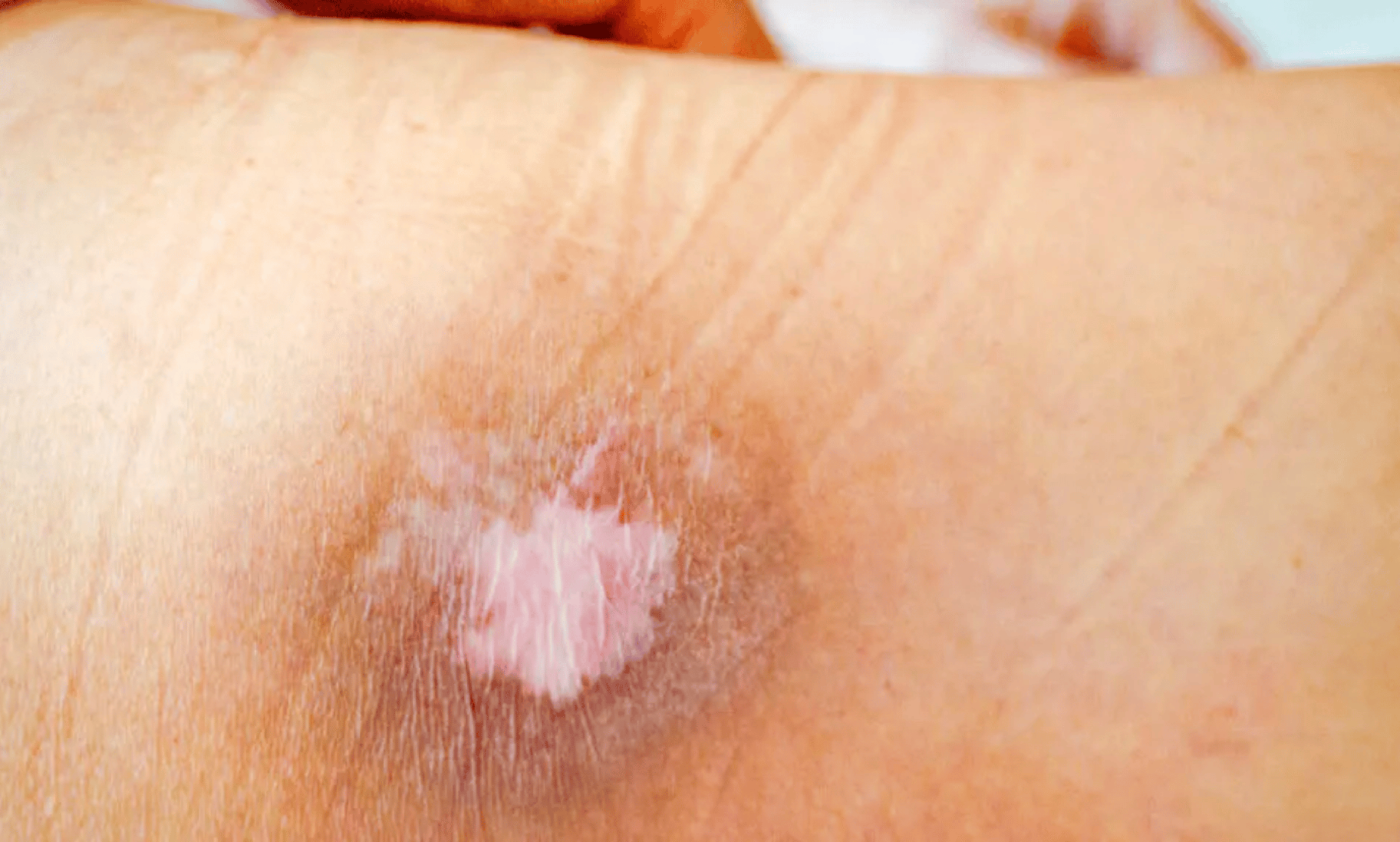
Bedsores, also called pressure sores or decubitus ulcers, are more than just an inconvenience; they’re a serious health risk, particularly for nursing home residents. Understanding the common causes and risks associated with developing bedsores is essential for prevention and early intervention.
One of the primary causes of bedsores is prolonged pressure on the skin. This pressure, especially when combined with factors like immobility, can significantly reduce blood flow to the area. Without adequate blood flow, the skin and nearby tissues are deprived of oxygen and nutrients, leading to tissue damage or death.
For nursing home residents, the risk of developing bedsores is heightened due to factors such as limited mobility or complete immobility. Conditions like peripheral vascular disease further exacerbate the risk by impairing blood flow, making these individuals particularly vulnerable to decubitus ulcers.
Other contributing factors include:
- Friction When skin rubs against bedding or clothing, it can become more fragile and susceptible to injury.
- Shear This occurs when the skin moves in one direction while the underlying bone moves in another, often happening when a bed is elevated.
- Moisture Wetness from sweat, urine, or feces can weaken the skin, making it more prone to damage.
Recognizing these risks is the first step in prevention. For nursing home staff, it’s crucial to implement strategies that mitigate these factors, such as regular repositioning of residents, maintaining skin hygiene, and ensuring proper nutrition and hydration.
How to Know If You Have Bedsores and the Steps to Take
Identifying the early signs of bedsores, or pressure ulcers, is crucial for preventing their progression. Here’s a guide to help you recognize these injuries and understand the actions to take if you or a loved one is affected.
Recognizing Bedsores: A Step-by-Step Guide
- Step 1: Inspect High-Risk Areas
Focus on bony areas such as heels, ankles, hips, and the tailbone. Look for unusual redness, swelling, or discoloration on the skin. - Step 2: Check for Symptoms
Early signs include tenderness, pain, or itching in the affected area. The skin may feel warmer or cooler compared to surrounding areas. - Step 3: Monitor for Progression
If you notice open wounds, blisters, or areas where the skin has broken down, these are indicators that bedsores have developed.
Taking Action: Immediate Steps for Care
- Relieve Pressure
Immediately reduce pressure on the affected area. Use cushions or special mattresses designed for pressure ulcer prevention. - Seek Medical Attention
Consult healthcare professionals, especially if the sore progresses beyond Stage 1. Timely medical intervention can prevent complications. - Implement Preventive Measures
Regularly change positions, maintain skin hygiene, and ensure proper nutrition and hydration to support skin health.
Compensation Expectations for Bedsore Cases
Navigating the aftermath of developing bed sores can be overwhelming, not just emotionally but financially. When it comes to bedsore lawsuits, understanding the compensation you might expect is crucial. Here’s a breakdown of what you need to know:
Factors Influencing Compensation
- Severity and Stage: The compensation often correlates with the severity of the pressure sore. Advanced stages of pressure ulcer development typically result in higher compensation due to increased medical needs and suffering.
- Medical Expenses: This includes costs for current and future medical care related to treating the bed sores, such as wound care supplies, medications, and specialist consultations.
- Pain and Suffering: Compensation for pain and suffering reflects the physical discomfort and emotional distress experienced by the victim.
- Quality of Life: In cases where bed sores significantly impact the individual’s quality of life, compensation can also cover these aspects.
- Punitive Damages: In certain situations, when the negligence is especially severe, courts may grant punitive damages as a way to penalize the responsible party and discourage similar future misconduct.
A nursing home abuse claim for many nursing home residents hinges on proving that negligence or nursing home abuse led to the development of pressure sores. These cases often involve demonstrating that the nursing home failed to address known risk factors, leading to the resident developing bed sores.
The Timeline for Bedsore Lawsuits
Navigating a bedsore lawsuit can feel like a journey with no clear end. However, understanding the typical timeline can help set your expectations. Here’s a quick overview:
- Consultation and Case Evaluation: This initial step involves meeting with your attorney to discuss the details of your case. It’s quick but crucial.
- Investigation and Evidence Gathering: This phase can vary in length, depending on the complexity of the case and the availability of medical records and expert testimony.
- Filing the Lawsuit: Once your attorney has gathered all necessary information, they’ll file the lawsuit. The timeline from this point can be influenced by court schedules and jurisdiction.
- Discovery Phase: Both sides exchange information and evidence. This stage is critical and can take several months.
- Negotiation and Settlement Talks: Many cases settle during this phase, which can significantly shorten the timeline.
- Trial: If a settlement isn’t reached, the case goes to trial. A trial can last from a few days to several weeks, depending on the case’s complexity.
Each case is unique, but most bedsore lawsuits can take anywhere from a few months to a few years to resolve.
The Link Between Bedsores and Neglect or Medical Malpractice

Bedsores are not just medical conditions; they’re often red flags for neglect or medical malpractice. Here’s why:
- Preventability: With proper care, most bedsores are preventable. Their development can indicate a lack of attention or inadequate care.
- Standard of Care: Healthcare providers and facilities have a duty to prevent pressure sores by implementing standard care practices, such as regular repositioning and skin assessments.
- Evidence of Neglect: In nursing homes, untreated bedsores can be a sign of broader issues of neglect, where residents’ basic needs are not being met.
- Basis for Malpractice Claims: When bedsores result from professional negligence—failing to diagnose, treat, or prevent them in a medical setting—it can lead to a medical malpractice claim.
Understanding this link is crucial for holding the responsible parties accountable and ensuring that victims receive the compensation and care they deserve.
Suing for Stage 4 Bedsores and Hospital-Acquired Bedsores
Suing for Stage 4 bedsores and hospital-acquired bedsores involves navigating complex legal and medical territories. Here’s what you need to know:
- Stage 4 Bedsores: These are the most severe form, often involving deep tissue damage, and can lead to serious infections and complications. Lawsuits for Stage 4 bedsores focus on egregious neglect or failure in care, as these sores are largely preventable with proper attention.
- Hospital-Acquired Bedsores: When bedsores develop in a hospital setting, it raises questions about the quality of care and adherence to medical standards. These cases often hinge on proving that the hospital failed to implement adequate prevention measures or properly treat emerging sores.
- Evidence and Expert Testimony: Successful lawsuits in these scenarios require robust evidence, including medical records, expert testimony on standard care practices, and documentation of the sore’s progression.
- Damages: Compensation can include costs for medical treatment, pain and suffering, and, in some cases, punitive damages, especially if there’s evidence of systemic neglect or intentional disregard for patient care.
The Role of a Bedsore Lawyer in Your Case
A bedsore lawyer plays a pivotal role in navigating the complexities of your case, ensuring your rights are protected every step of the way. Here’s how they help:
- Case Evaluation They’ll assess the merits of your case, considering the severity of the bedsores, the care provided, and the impact on your life.
- Gathering Evidence This includes obtaining medical records, securing expert opinions on care standards and the preventability of bedsores, and documenting negligence.
- Legal Strategy Your lawyer will develop a strategy tailored to your case, whether that means negotiating a settlement or taking your case to trial.
- Advocacy They’ll be your advocate, handling all legal proceedings and communications with the defense and the court, ensuring your voice is heard and your case is presented strongly.
- Maximizing Compensation A skilled bedsore lawyer will fight to secure the maximum compensation possible, covering medical expenses, rehabilitation costs, pain and suffering, and any other damages related to the bedsores.
In essence, a bedsore lawyer is not just a legal advisor but a dedicated advocate who stands by your side, fighting for justice and the compensation you deserve. Their expertise and guidance are invaluable in holding negligent parties accountable and ensuring you can focus on recovery and healing.
Get the Justice You Deserve with The Injury Firm
Navigating the complexities of bedsores can be daunting, but you’re now equipped with the knowledge to take the first step toward justice and compensation. Remember, bedsores are not just medical issues; they’re signs that demand action.
- Bedsores, especially Stage 4 and hospital-acquired, can indicate neglect or malpractice.
- Legal action can lead to compensation for medical costs, pain, and suffering.
- The role of a bedsore lawyer is crucial in navigating your lawsuit.
The journey to healing and justice starts with understanding and ends with action. The Injury Firm stands ready to guide you through this process, transforming your struggle into strength. With our expertise in bedsore lawsuits, we’re not just your lawyers; we’re your partners in securing the compensation and care you rightfully deserve. Let’s take this step together, ensuring your voice is heard, and your rights are protected.