What is Bobtailing: Your Legal Guide to Trucking
Think you know bobtailing? Think again. This isn’t just about driving a truck without a trailer; it’s a legal landscape that can make or break your trucking career. Get ready to debunk myths and navigate the legal intricacies of bobtailing like a pro.
- Unveiling the legal definition of bobtailing
- Why insurance matters
- Common legal pitfalls and how to avoid them
- Expert tips for staying on the right side of the law
P.S., If you’ve ever felt like you’re up against a wall, especially when it comes to legal matters in trucking, you’re not alone. Over the years, The Injury Firm has been the David to many a Goliath, specializing in auto accidents and other personal injury claims in the trucking industry. We know a thing or two about taking on big insurance companies—and winning.
What Bobtailing Really Means in Legal Terms
You’ve heard the term bobtailing, but do you know what it really means—especially when the law gets involved? Bobtailing isn’t just cruising around in a semi-truck without an attached trailer. It’s a situation that comes with its own set of legal obligations and potential pitfalls.
The Legal Definition
In legal jargon, bobtailing refers to operating a tractor-trailer truck without a trailer attached. Simple, right? But here’s the kicker: the moment you hit the road, you’re subject to a myriad of laws and regulations. These can range from insurance requirements to specific road rules that apply only when you’re bobtailing.
- Insurance: You need a special kind of insurance known as bobtail insurance. This covers you when you’re driving without you carrying heavy trailers. Don’t even think about hitting the road without it.
- Road Rules: Some states have specific road rules for bobtailing trucks. Ignorance isn’t bliss here; it’s a ticket—or worse.
Why It Matters: The Real-World Impact
Sure, you might think bobtailing laws are just another item on a long list of things to worry about. But here’s the deal: Ignorance of the law can cost you big time. We’re not just talking about a slap on the wrist or a minor fine. In the trucking industry, a legal misstep can jeopardize your entire career.
The Cost of Ignorance
Did you know that legal issues in the trucking industry lead to an average of $150,000 in settlements per case? That’s not pocket change. And it’s not just about the money; your reputation is on the line too.
Pro Tip: Keep a legal handbook or a dedicated app on your phone that outlines the key laws and regulations related to bobtailing. Apps like Truck Legal can be a lifesaver.
Real-Life Example
Imagine you’re bobtailing to pick up a new load and get pulled over. You think you’re covered, but then you find out your insurance doesn’t include bobtail coverage. Now you’re facing fines, legal fees, and potential points on your license.
Tools to Keep You on Track
To avoid these pitfalls, consider using compliance software specifically designed for truckers. Tools like CompliGo can help you keep track of legal requirements, ensuring you’re always in the clear.
Always consult your legal advisor before making any decisions that could have legal ramifications. Better safe than sorry.
Common Legal Pitfalls: How to Steer Clear
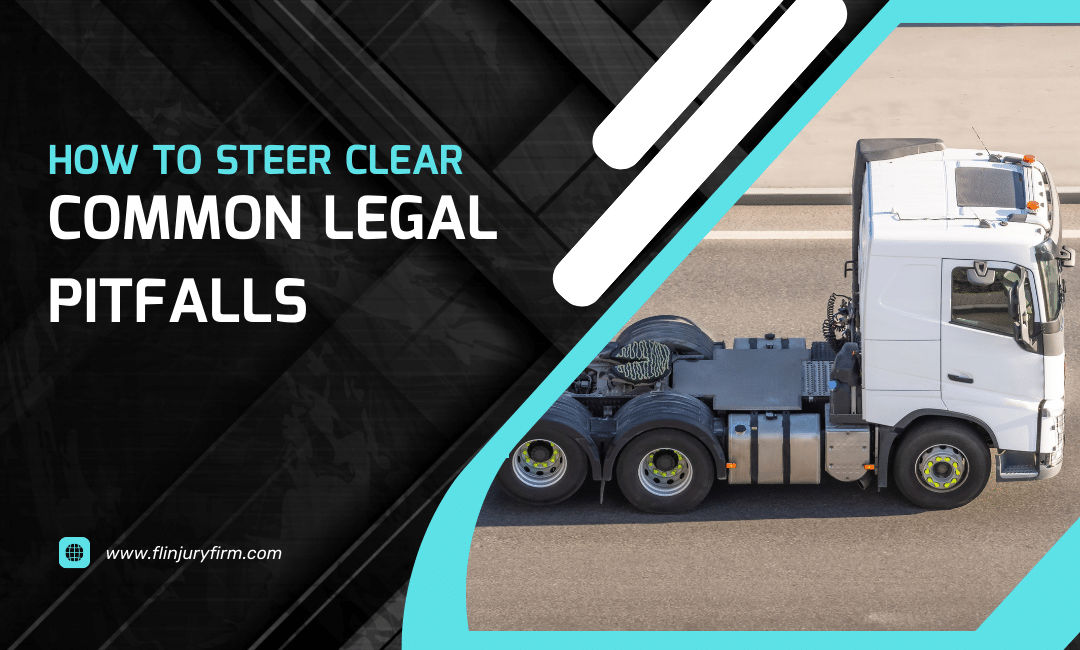
You’re armed with bobtail insurance and you know the law. You’re good to go, right? Not so fast. Even seasoned truckers can fall into legal traps when bobtailing. Let’s break down the common pitfalls and how you can avoid them.
Overlooking Local Laws
States aren’t the only ones with rules. Some cities have their own regulations for bobtailing, like restricted zones where bobtailing is prohibited.
Use a GPS app designed for truckers, like Trucker Path, to stay updated on local laws and restrictions.
Ignoring Weight Limits
Bobtail trucks are subject to weight limits, just like any other vehicle. Exceeding these can result in hefty fines.
- Tool Recommendation: Invest in an onboard weighing system. It’s a small expense that can save you big bucks in the long run.
Failing to Maintain Records
If you’re involved in a truck accident while bobtailing, you’ll need to provide records of your journey, including logs and maintenance reports.
Pro Tip: Use a digital logbook app to keep all your records in one place. Apps like KeepTruckin make it easy.
Neglecting Proper Signage
When bobtailing, some states require you to display specific signage on semi trucks to indicate that you’re not hauling a trailer. Failure to do so can result in fines or even the impounding of your vehicle.
Always check state-specific requirements for signage. Keep a set of signs in your truck to be prepared for any jurisdiction.
Skipping Pre-Trip Inspections
You might think that because you’re not hauling a trailer, you can skip the pre-trip inspection. Wrong. Authorities can still pull you over and ask for an inspection report, even when you’re bobtailing.
Operating Without a Valid License
This might sound like a no-brainer, but you’d be surprised how many truckers get caught bobtailing with an expired or invalid license. The penalties for this can be severe, including license suspension.
Pro Tip: Set reminders on your phone or use an app like License Alert to notify you well before your license is due for renewal.
By the way, if you’re feeling like you’re walking through a legal minefield, don’t worry. The Injury Firm has been the guide for many truckers navigating the complex world of bobtailing laws. We’ve got the resources and expertise to help you steer clear of these pitfalls.
Expert Tips: Elevate Your Bobtailing Game
You’ve got the basics down, but why stop there? Let’s take your bobtailing expertise to the next level. Here are some pro tips that can make a world of difference in how you navigate the legal landscape of bobtailing.
Consult a Legal Advisor
You wouldn’t self-diagnose a medical condition, so why take chances with legal matters? Consult a legal advisor who specializes in trucking laws such as The Injury Firm.
Keep a list of emergency contacts, including a legal advisor, in your bobtailing truck. You never know when you’ll need it.
Stay Updated on Laws
Laws change. What was legal yesterday might not be today. Make it a habit to stay updated on both state and federal regulations.
Know Your Rights
If you’re pulled over or involved in truck accidents, knowing your rights can make a significant difference in the outcome.
Pro Tip: Carry a “Know Your Rights” card specifically designed for truckers. It’s a quick reference guide for those stressful moments.
Keep a Legal Checklist
Before hitting the road, run through a legal checklist to ensure you’re in full compliance. This can be a lifesaver in avoiding common pitfalls.
Create a digital checklist using apps like Evernote or Todoist that you can easily access on your phone.
When Things Go South: How a Law Firm Can Be Your Lifeline

Let’s face it, even the most cautious truckers can find themselves in a legal bind. Whether it’s an unexpected accident, a random inspection gone wrong, or a legal oversight, things can go south fast. That’s when having a law firm in your corner can be a game-changer.
Legal Representation
If you’re facing legal action, you’ll need someone to represent you in court. A law firm specializing in trucking laws can defend you effectively, knowing the ins and outs of the industry.
Negotiating Settlements
Sometimes, settling out of court is the best option. A law firm can negotiate on your behalf, potentially saving you thousands of dollars and a lot of stress.
Navigating Paperwork
Legal issues come with a mountain of paperwork. A law firm can help you sort through it all, ensuring that you don’t miss any deadlines or overlook any details.
Keep all your legal documents in a digital format. Cloud storage services like Dropbox can be a lifesaver.
FAQs
What does bobtail mean in trucking?
In trucking, bobtailing refers to driving a tractor-trailer truck without a trailer attached. It’s not just a casual term; it has specific legal implications, including the need for specialized insurance known as bobtail insurance. Always check your insurance policy to make sure it includes bobtail coverage.
Why would a trucker want to avoid driving this way?
Driving a bobtail by a truck driver can be dangerous for both the truck driver and others on the road than driving with an attached trailer. The truck’s weight distribution changes as it is over the front wheels; instead of rear wheels as well, making it more susceptible to skidding or tipping.
Plus, you’ll need special insurance to cover any liabilities. If you must bobtail, adjust your driving style to account for the changed weight distribution.
Why is a tractor called a bobtail?
The term “bobtail” originally referred to an animal with a bobbed or shortened tail. In trucking, it’s used metaphorically to describe a tractor running without its “tail,” or an empty trailer.
Is it safe to bobtail?
Bobtailing can be safe if done correctly. However, the altered weight distribution can make the bobtail truck less stable, especially at high speeds or in poor weather conditions.